
2026 Early Modern Summer Program at the Center for Canon Expansion and Change
University of Minnesota Twin Cities, May 31 - June 6, 2026
CCEC Summer Program
The Center for Canon Expansion and Change (CCEC) seeks applications for participants in its 4th annual Summer Program, now funded by a $500,000 grant. Participants will take part in a week-long collaborative workshop, in which they learn about figures in an expanded canon of early modern philosophy (such as Anton Wilhelm Amo, Margaret Cavendish, and Anne Conway) and cutting-edge research on them; discuss inclusive, student-centered, and equitable pedagogy (with 2 sessions dedicated to teaching a predominantly white subject in predominantly white institutions); and collaboratively craft their own early modern course syllabus. After the workshop, participants and guides will meet regularly and continue to communicate as their courses (and future versions of it) are implemented. Participants will also receive an award from CCEC attesting to their experience with canon expansion and inclusive teaching.
DETAILS
-
The Summer program is scheduled to take place from May 31 to June 6, 2026, at the University of Minnesota.
Participants will take part in a week-long collaborative workshop, in which they learn about figures in an expanded canon of early modern philosophy (such as Anton Wilhelm Amo, Margaret Cavendish, and Anne Conway) and cutting-edge research on them; discuss inclusive, student-centered, and equitable pedagogy (with two sessions dedicated to teaching a predominantly white subject in predominantly white institutions); and collaboratively craft their own early modern course syllabus.
-
The Center for Canon Expansion and Change will offer $400 toward toward airfare and will provide coverage of accommodation.
Faculty members who are able to secure funding from their institutions should communicate this in the application.
Funding information will be shared with the selected participants.
-
If you have any questions about the program or would like additional information email ccec@umn.edu
-
CCEC summer program is funded by a $500,000 grant: https://www.mellon.org/news/mellon-foundation-awards-14m-for-humanities-grounded-research
-
1- Statement of interest (1 page outlining your interest in the program and how it connects with your research and/or teaching)
2-Curriculum Vitae.
The statement of interest and CV should be combined into a single .pdf file.
We welcome applications from advanced graduate students and faculty members (contingent or permanent). We especially encourage applications from individuals of groups underrepresented in (Anglo-American) philosophy.
Faculty members with institutional funding to participate should communicate this in the application.Application is closed
-
CCEC Summer 2026 Organizing Team
-

Jessica Gordon Roth (Co-founder)
(Associate Professor of Philosophy - UMN)
-

Dwight K. Lewis Jr (Co-founder)
(Assistant Professor of Philosophy - UMN)
-
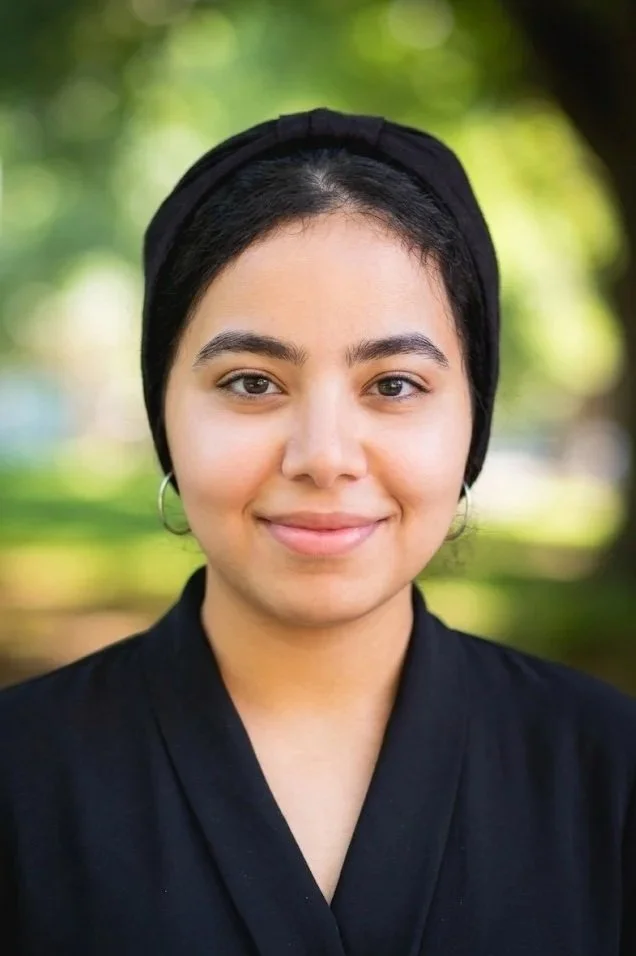
Nada Mohamed
(PhD Candidate - UMN)
-

Aleks Zarnitsyn (PhD)
(Graduate Program Coordinator - UMN)
CCEC 2026 Early Modern Experts
-

Andrew Janiak
(Duke University)
Andrew Janiak is Professor of Philosophy and Bass Fellow at Duke University, where he co-directs Project Vox. His most recent book is The Enlightenment's Most Dangerous Woman: Émilie Du Châtelet and the making of modern philosophy (Oxford, 2024).
-
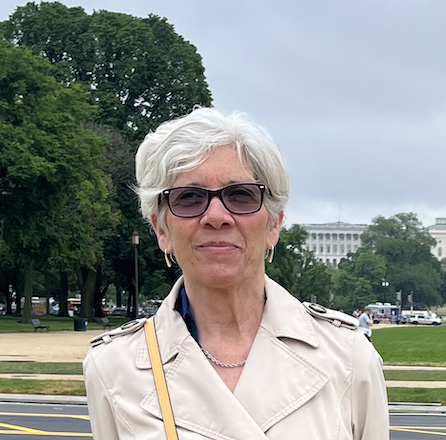
Nancy Kendrick
(Wheaton College, Massachusetts)
Nancy Kendrick is Professor Emerita of Philosophy at Wheaton College in Norton, MA. She has written on Astell, Berkeley, Descartes, Hume, Wollstonecraft and several other early modern thinkers. She is co-author, with Jessica Gordon-Roth of Early Modern Epistemic Injustice Theory: A New History (in progress).
-
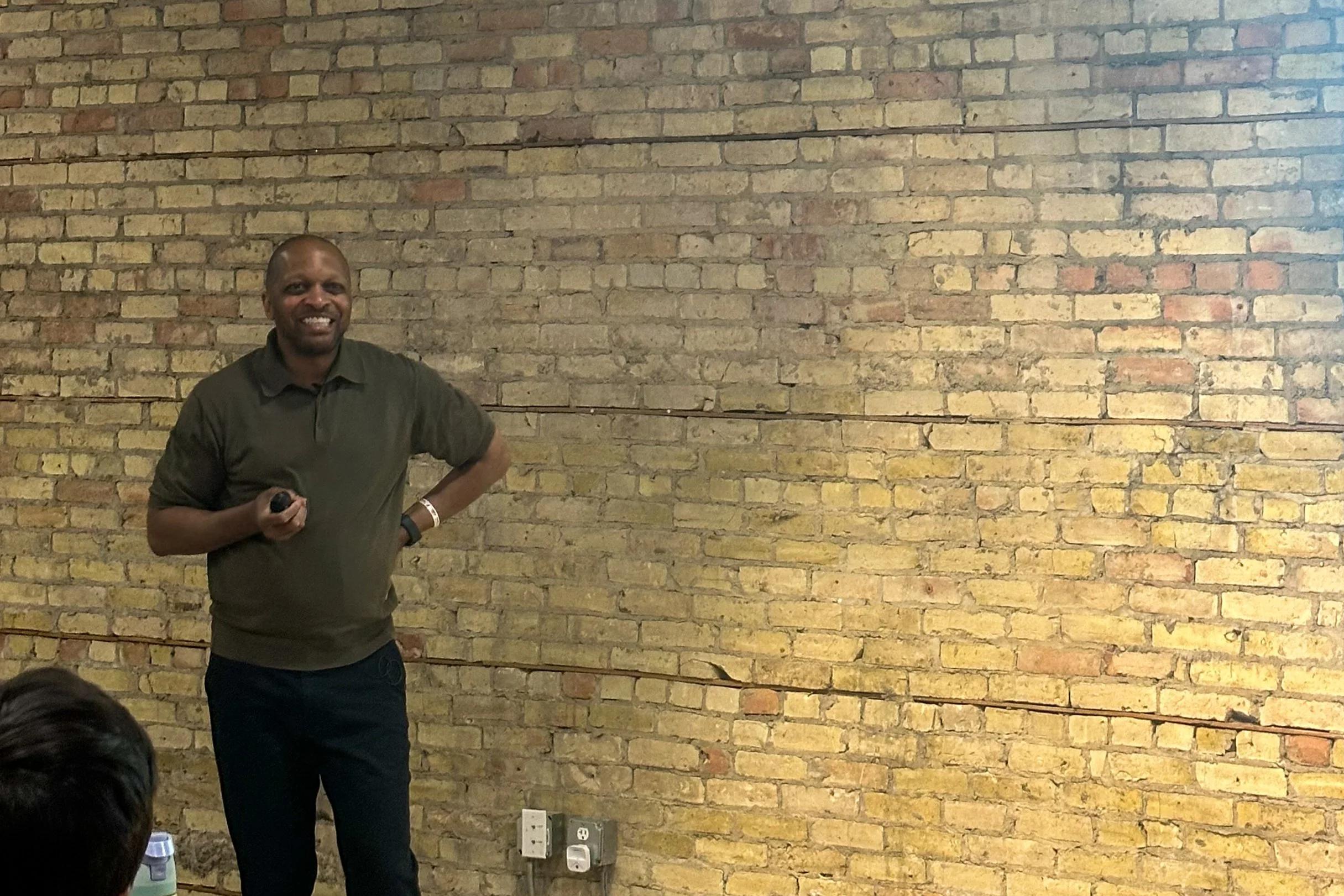
Keota Fields
(University of Massachusetts Dartmouth)
I work in early modern metaphysics and epistemology, particularly theories of perception. My work focuses mostly on Berkeley, Locke, Shepherd, and Hume.
CCEC 2026 Undergraduate Interns
-
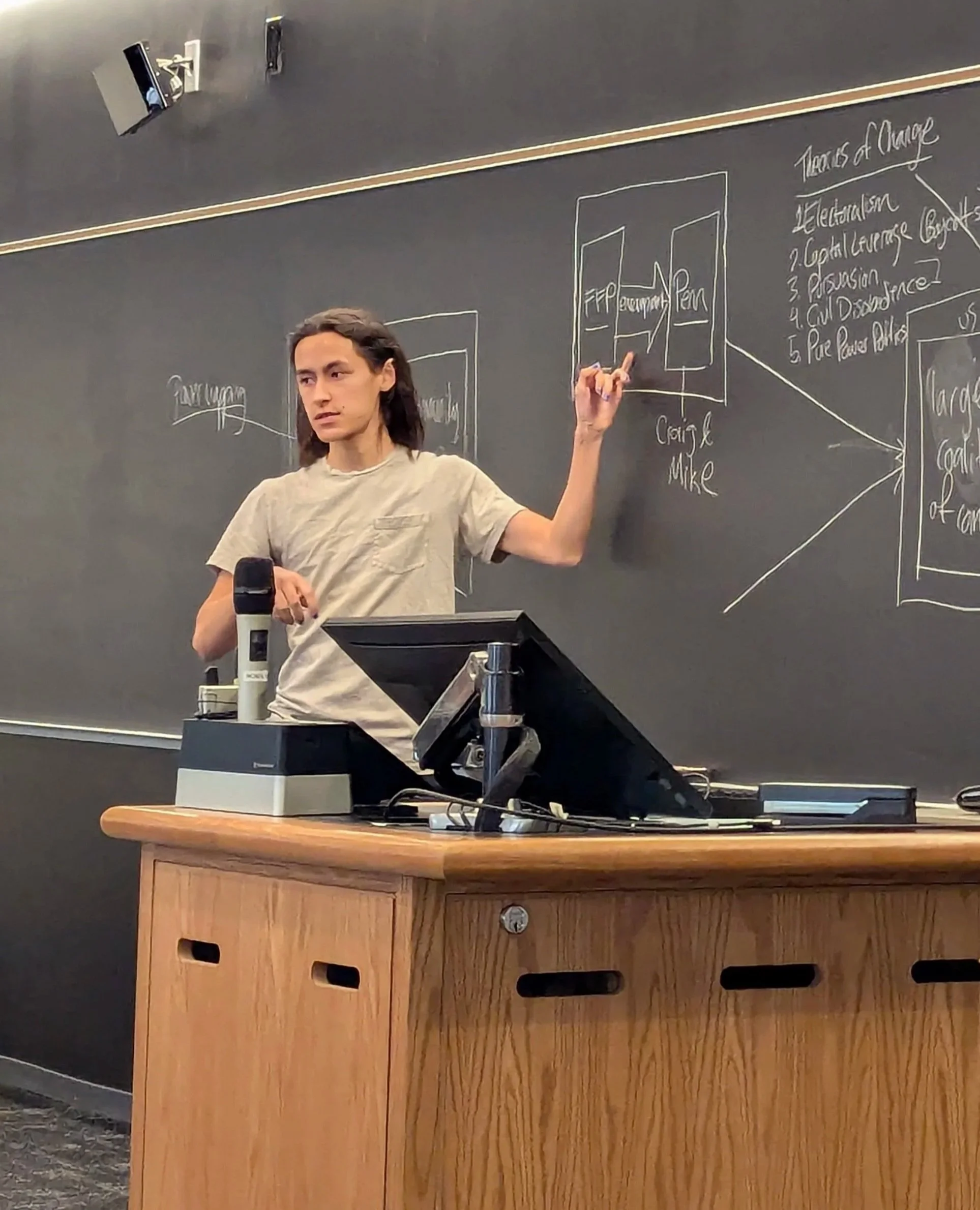
Luke Krier
(University of Pennsylvania)
Luke Krier is a junior studying Philosophy and Biology at the University of Pennsylvania. Their main interests include Anne Conway, Relational Metaphysics, Feminist Philosophy of Science, and Philosophy of Protest. They're also a former student of Professor Gordon-Roth.
-

Danielle Kha
(University of Minnesota - TC)
Danielle Kha is an undergraduate student at the University of Minnesota, studying philosophy with a minor in business law. She serves as the Head of Public Relations for Epistemai--the university's undergraduate philosophy journal--and is an active member of Kappa Alpha Pi--the professional pre-law fraternity. After graduation in Spring 2027, she intends to pursue higher education in philosophy and law.
-
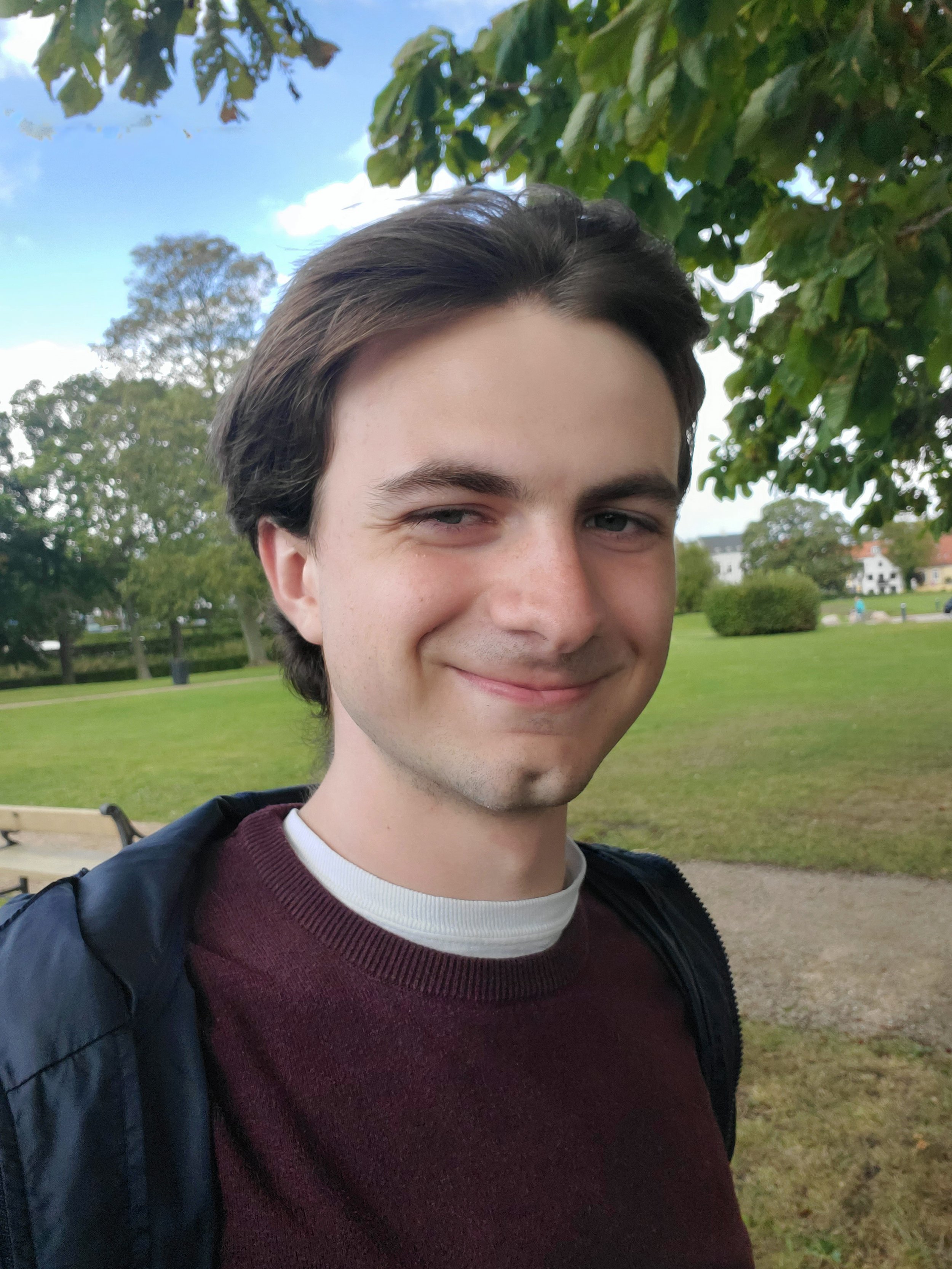
Elliot Sprain
(University of Minnesota - TC)
Elliot Sprain is a psychology and philosophy student at the University of Minnesota. He is particularly interested in philosophy as it pertains to existing in a modern, political world and how philosophy shapes the way people think.
-
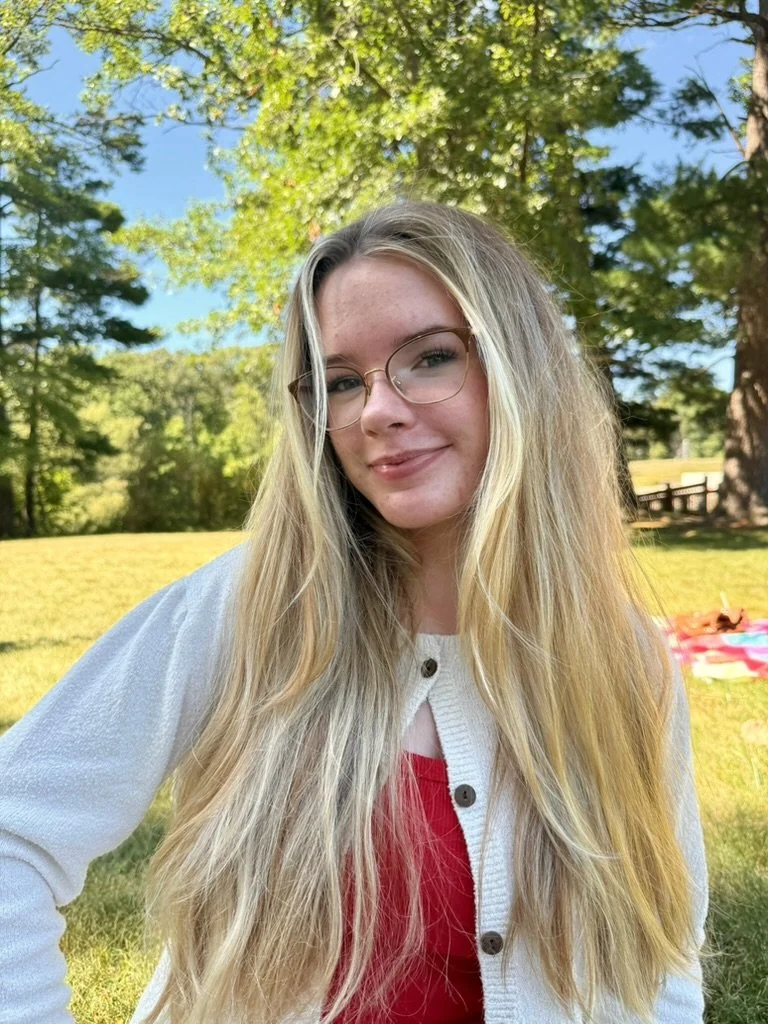
Reina Valli
(University of Minnesota - TC)
Reina Valli is a senior pursuing a degree in Philosophy. She is involved with her department as both an Introduction to Logic Teaching Assistant/Tutor and is serving her third term as Philosophy Club President. She is interested in epistemology, logic, and aesthetics. After graduation, she is interested in pursuing a Master's degree in philosophy and then continuing to a PhD program or law school. Reina is passionate about advocating for accessibility to the discipline of philosophy and loves to encourage students to incorporate philosophical practices into their own field
CCEC 2026 Pedagogy Experts
-

Jason Swartwood
(Saint Paul College)
Jason Swartwood is an instructor of Philosophy at Saint Paul College. He has published work on practical wisdom, philosophical methodology, practical ethics, and pedagogy in philosophy. He is the author, with Ian Stoner, of Doing Practical Ethics (OUP 2021), which applies a skills-focused, practice-based method for teaching ethics.
-

Eddie O'Byrn
(University of Illinois Urbana-Champaign)
Dr. eddie o’byrn is an assistant professor of African American Studies at University of Illinois Urbana-Champaign. After completing a Philosophy Ph.D in 2019 at Penn State, Dr. o'byrn worked at Carleton College teaching philosophy and africana studies before transitioning to an interdisciplinary department. Their work has appeared in journals including Hypatia, Sartre Studies International, and the Critical Philosophy of Race journal. Currently, Dr. o'byrn working on a book project tentatively titled - Existence Precedes Enslavement.
-
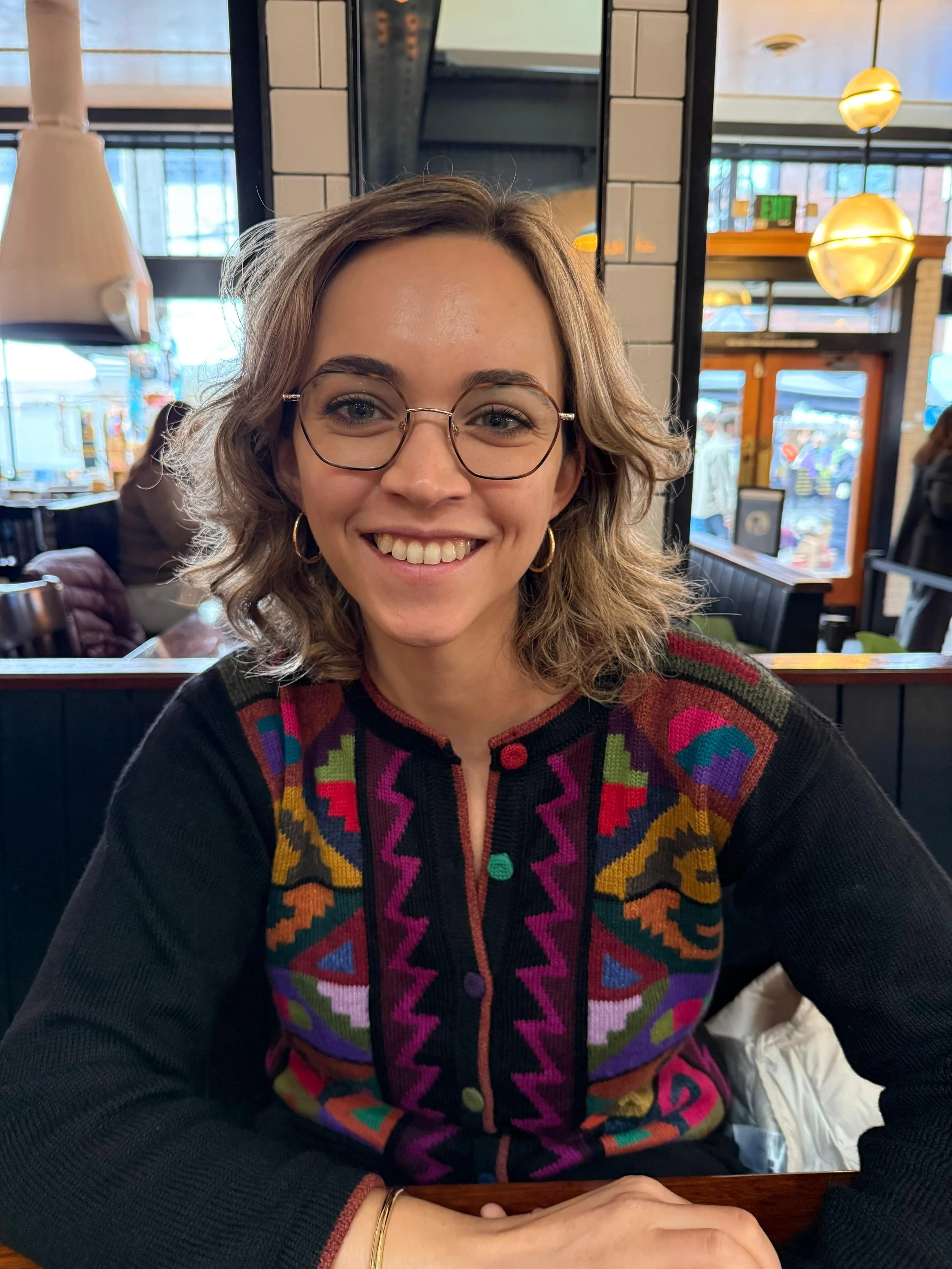
Tamara Fakhoury
(University of Minnesota - Twin Cities)
Tamara Fakhoury is an Assistant Professor of Philosophy at the University of Minnesota. Her recent publications examine a range of under-theorized resistance practices, including what she calls Quiet Resistance, and the morally fraught conditions from which such practices often emerge. She is currently completing a manuscript titled Rethinking Resistance, which examines how resistance takes shape when democracy is absent or unstable.
-

Angela Carter
(University of Minnesota - Twin Cities)
As a McNair scholar, Angela M. Carter became a first-generation college graduate in 2009 when she earned a BA in English from Truman State University. Dr. Carter completed her Ph.D. in Feminist Studies at the University of Minnesota in 2019. Angela is currently co-leading a Mellon-funded initiative to establish a Critical Disability Studies program at the UMN, as well as co-leading a new grassroots organization, named AmplifyMN: A Disability Justice Collective in the community.
-

Jeanine Weekes Schroer
(University of Minnesota Duluth)
Dr. Schroer is a philosopher of race and feminist theory and an Associate Professor of Philosophy at UMD in the Department of Geography & Philosophy. Her teaching and research concern the ethics and politics of social oppression and its remedies, including, the metaphysics of race and racism; feminist ethics and social theory; and empirical and experimental philosophical approaches to racism, sexism, and ethics. She co-edited the first philosophical volume on Microaggression -- Microagressions and Philosophy (with Lauren Freeman), as well as special issues of Hypatia (on the ethics and politics of epistemic practice) and Mississippi Quarterly (on mass incarceration). Schroer has won University of Minnesota’s Justice, Equity, and Inclusion Award, as well as the Horace T. Morse Award for Undergraduate Education. Schroer is also committed to support her community through volunteer work with the Junior League of Duluth, Program for Aid to Victims of Sexual Assault (PAVSA), and Black Liberation Lab (an organization dedicated to supporting Black folk of Duluth in struggle for self-definition, rich and meaningful lives, and transformative healing from white supremacy).
-

Michael Bennett McNulty
(University of Minnesota - Twin Cities)
-
Ian Stoner
(Saint Paul College)
CCEC 2026 Remote Experts
-

Tyra Lennie
(McMaster University)
Tyra Lennie is a doctoral candidate at McMaster University in Hamilton, Ontario. Part of her research focuses on the writings of early modern women philosophers including Mary Astell, Margaret Cavendish, and Lucrezia Marinella. Tyra in interested in the important interpretive work of uncovering insights from understudied philosophers but also aims to show how these works can be repurposed for contemporary means.
-

Emanuele Costa
(Vanderbilt University)
I specialize in Early Modern Philosophy and Metaphysics, but I also find Philosophy of Religion, Political Philosophy, and Renaissance Philosophy to be terribly interesting. I am particularly interested in the philosopher Benedict/Baruch/Bento de Spinoza, his historical antecedents, and his bold metaphysical views. My first monograph, The Structure of Spinoza’s World (Oxford University Press, 2025), defends a structuralist reading of Spinoza’s metaphysics. I plan to analyze further implications of this view in forthcoming projects.
-

Alejandro Naranjo Sandoval
Alejandro Naranjo Sandoval
(University of California, Davis)
Originally hailing from Mexico City, Alejandro Naranjo Sandoval is an Assistant Professor of Philosophy at the University of California, Davis. He specializes in Kant, Early Modern Philosophy (with an emphasis on Leibniz and Conway), and Social Ontology. His historical work centers around issues in the philosophy of mind (including the relation between the cognitive faculties) and metaphysics (including monism). Regarding social ontology, Alejandro's work aims to elucidate the nature of racial membership and its relation to notions of expertise, authority, and recognition. He has served as the President of the American Association for Mexican Philosophers and as the Chair of the Community Advancement Working Group at Davis.
-
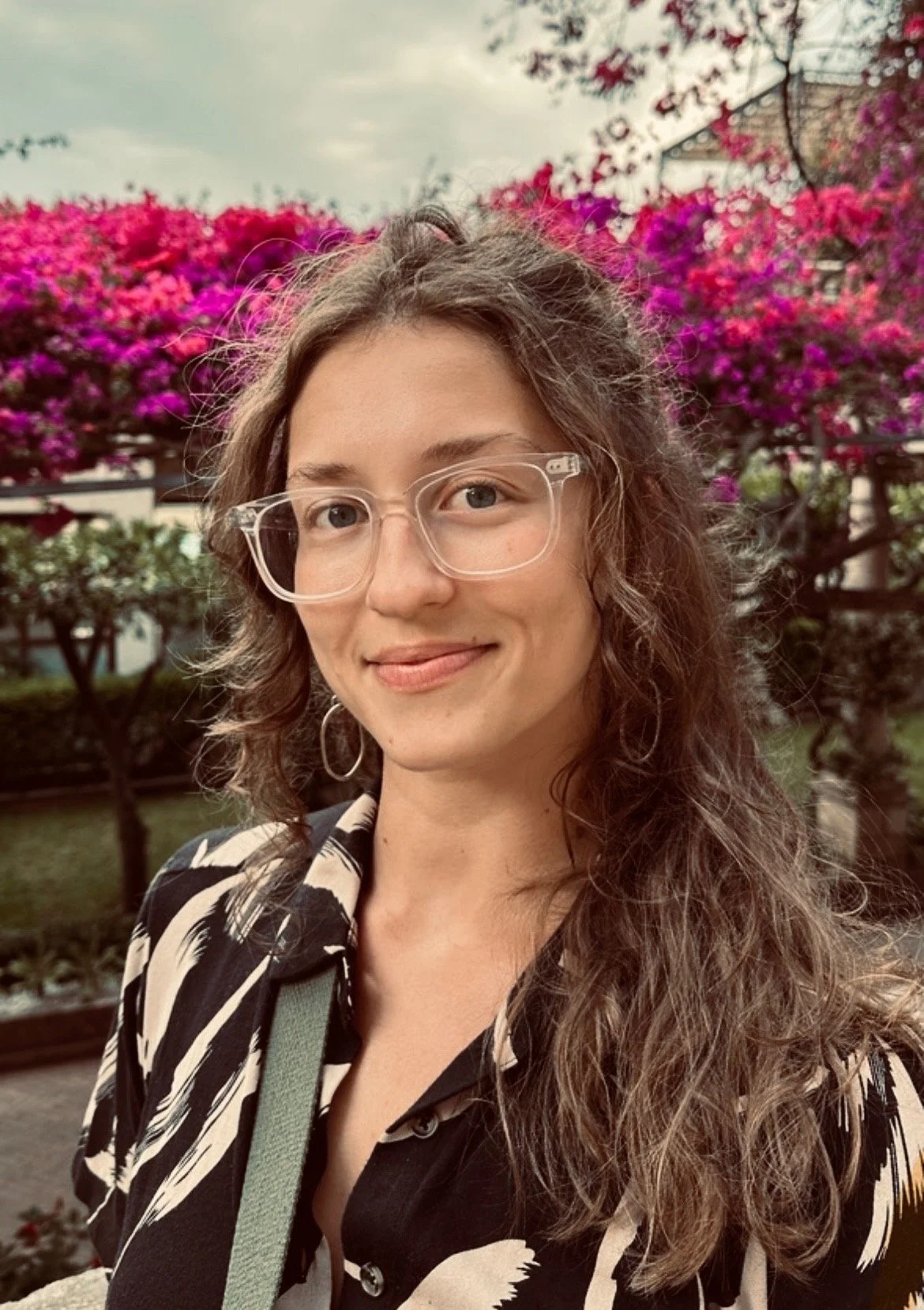
Kylie Shahar
(Auburn University)
I am an Instructor at Auburn University in Alabama. My areas of specialization are in Early Modern Philosophy, Ethics, and Moral Psychology, with a particular focus on their intersections. Recovering and engaging the work of early modern women philosophers (such as Cockburn, Conway, and Gournay, among others) plays a central role in my research program. Despite the centuries separating us, the ethical concerns these philosophers raise are not radically different from those we face today. Thus, I am profoundly interested in how these thinkers engage with facts about human nature (e.g., our sociability and epistemic limits) and, in turn, address normative questions in both the prudential and moral spheres.
CCEC 2026 Summer Program Participants
-

Alica Ma
(Columbia University)
I’m a recent Columbia graduate and incoming philosophy PhD student at the University of Minnesota. My primary interest are feminist philosophy, social knowledge and political emotion. I think about what is social oppression and how we might make an imperfect world better. Outside of philosophy, I practice Chinese kung fu and spend time with my cat.
-
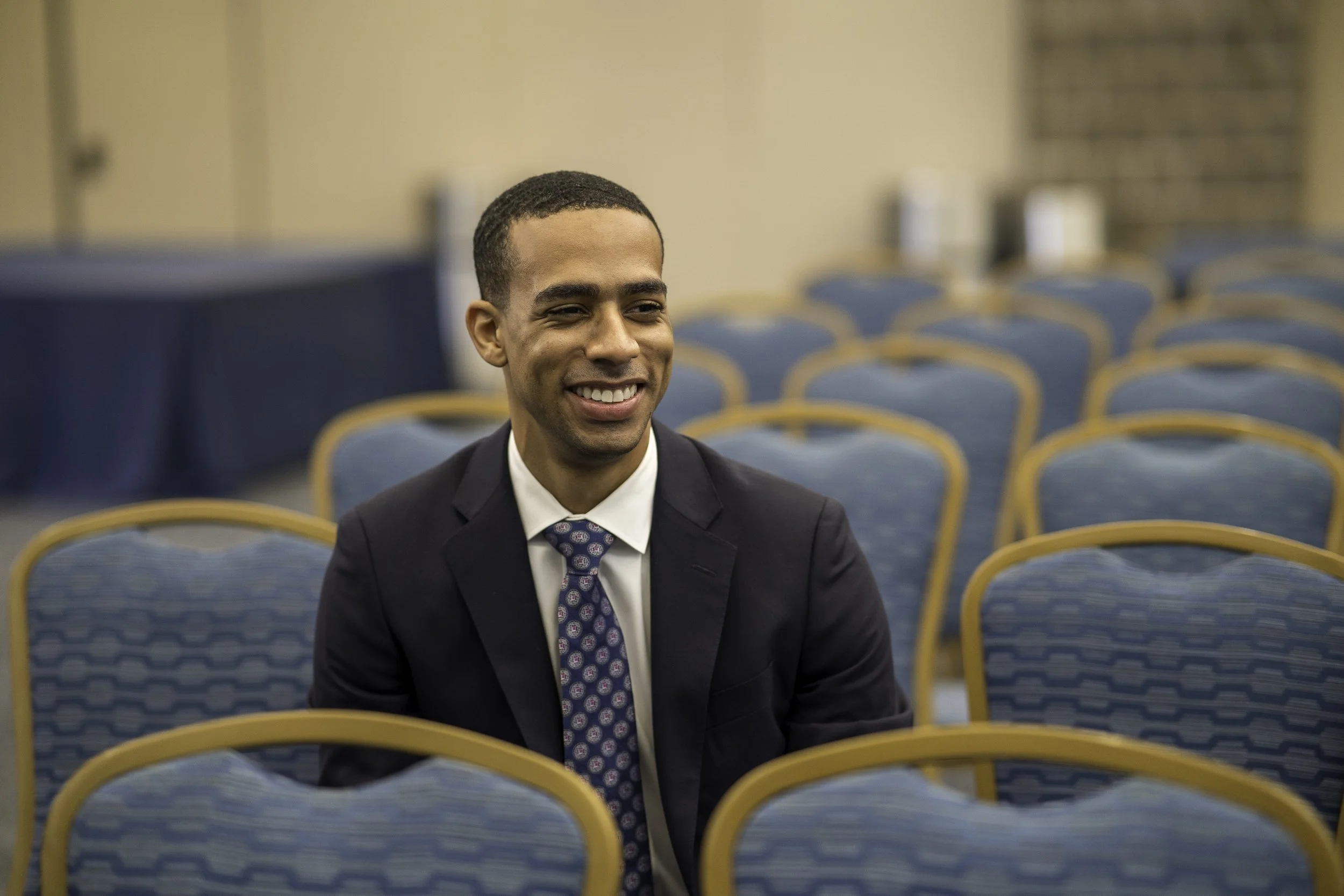
Blake Perry
(Villanova University)
Blake Perry is a PhD candidate in Philosophy at Villanova University, where he studies Kant, Adorno, and the concept of the human. His research examines the limits of reason and the formation of subjectivity, with attention to race, Enlightenment, and education. He teaches undergraduate humanities courses and develops Popular Philosophy, a public-facing platform dedicated to making complex philosophical texts accessible to a broader audience.
-
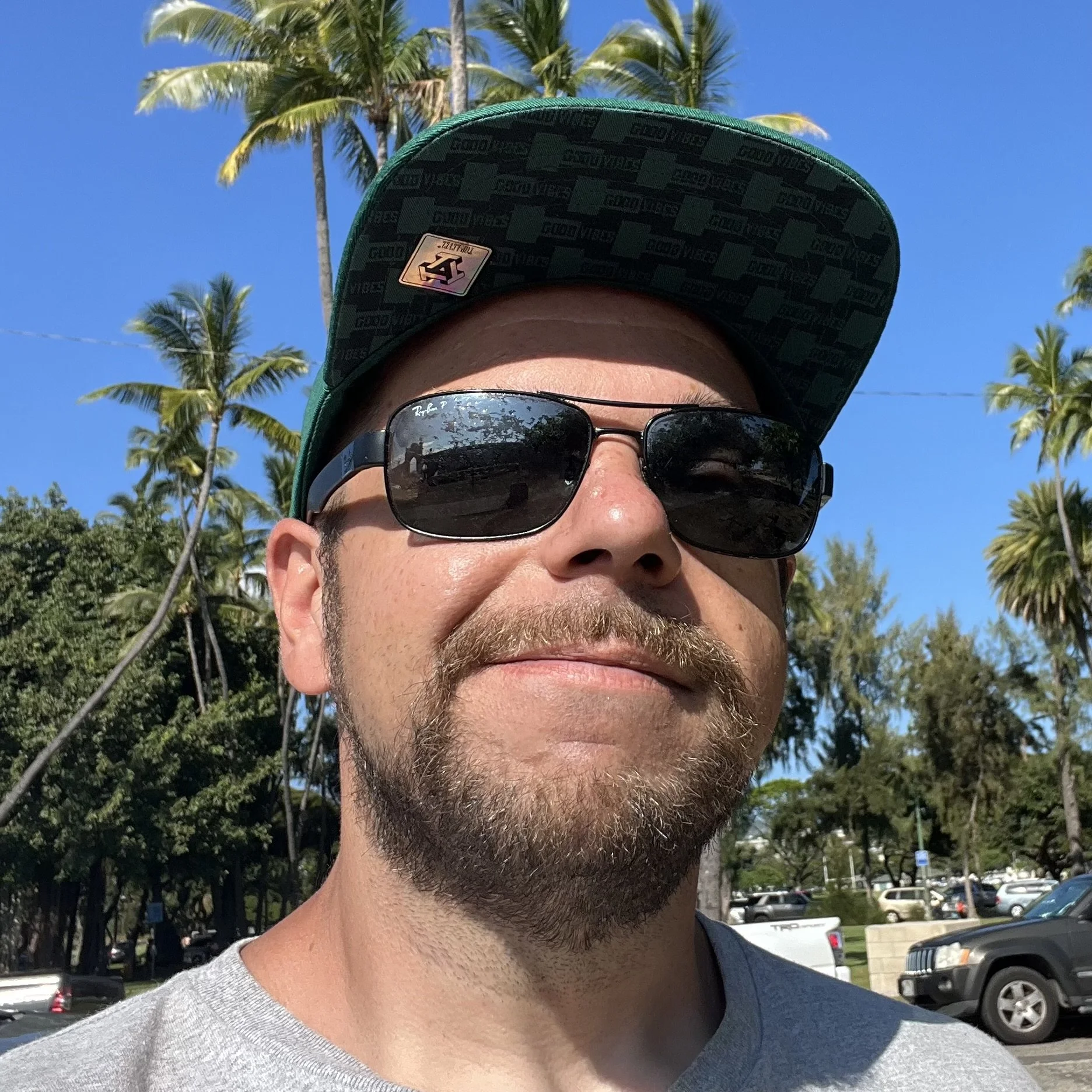
David Simone
(University of Hawai'i at Mānoa)
I am a PhD Candidate in Philosophy at the University of Hawai'i at Mānoa. My research explores the relationship between political freedom and spiritual freedom through a cross-cultural engagement between early modern European political thought and Madhyamaka Buddhist philosophy. In particular, my work brings neo-Roman republican ideas of liberty into dialogue with Buddhist ethical thought, especially the work of Śāntideva in the Bodhicaryāvatāra. My dissertation, which is in progress, “The Road to Freedom: Karuṇā & Solidarity,” asks how political and spiritual conceptions of freedom might illuminate one another and contribute to a richer understanding of human freedom.
-
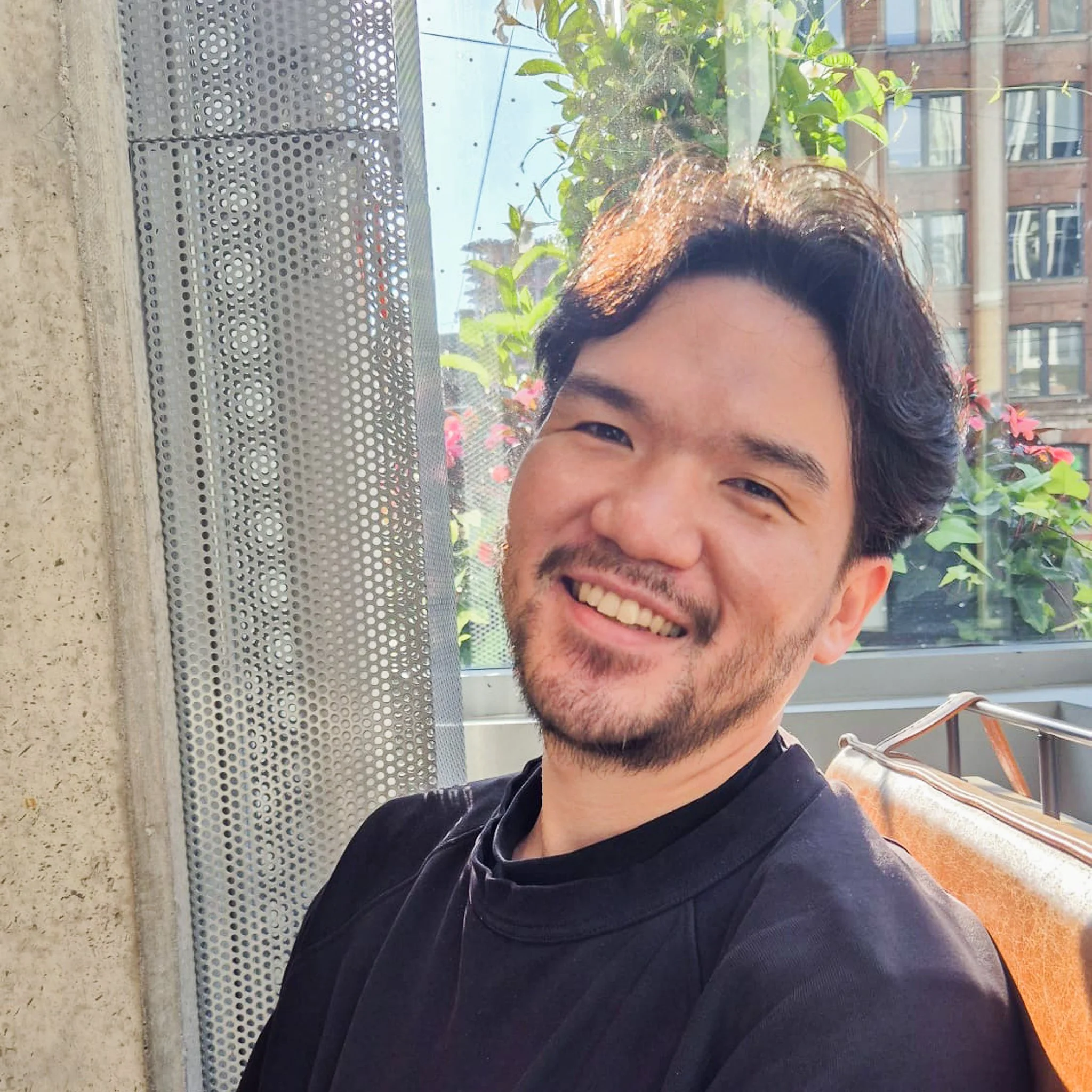
Pirachula Chulanon
(Toronto Metropolitan University)
Pirachula Chulanon is an assistant professor of philosophy at Toronto Metropolitan University. His research and teaching interests are in Kant, early modern philosophy (especially rationalism and early modern Scholasticism), and aesthetics.
-
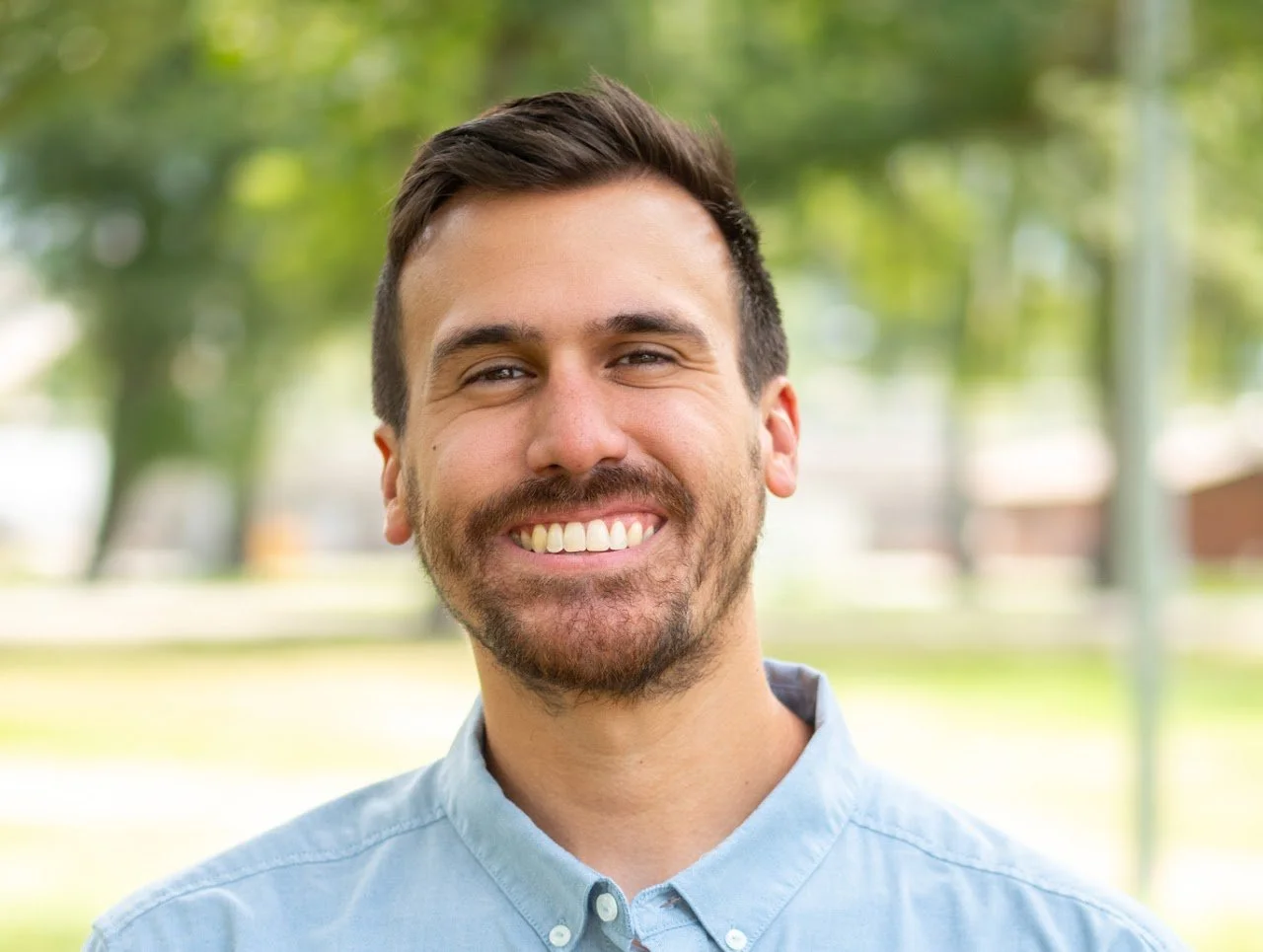
Alex Barrientos
(Utah State University)
I am currently a Postdoctoral Teaching Fellow in Philosophy at Utah State University. I completed my Ph.D. at the University of Utah in 2024 and my B.A. at Florida International University in 2017. My areas of specialization are early modern philosophy and philosophy of religion, with a focus on John Locke’s religious epistemology. I am drawn to the early modern period because it continues to repay careful exegetical attention and offer fresh insights into enduring questions at the intersection of philosophy and religion.
-

Paul J. Kelly
(University of Wisconsin - Madison)
I am a PhD candidate in the Department of Philosophy at the University of Wisconsin–Madison. Prior to Madison, I was pursuing a joint-PhD in History & Philosophy of Science and Cognitive Science at Indiana University Bloomington. My primary areas of philosophical interest are the philosophy of science (especially neuroscience and biology) and ethics (especially technology and data ethics). My dissertation concerns how scientific models represent, explain, and facilitate understanding.
-
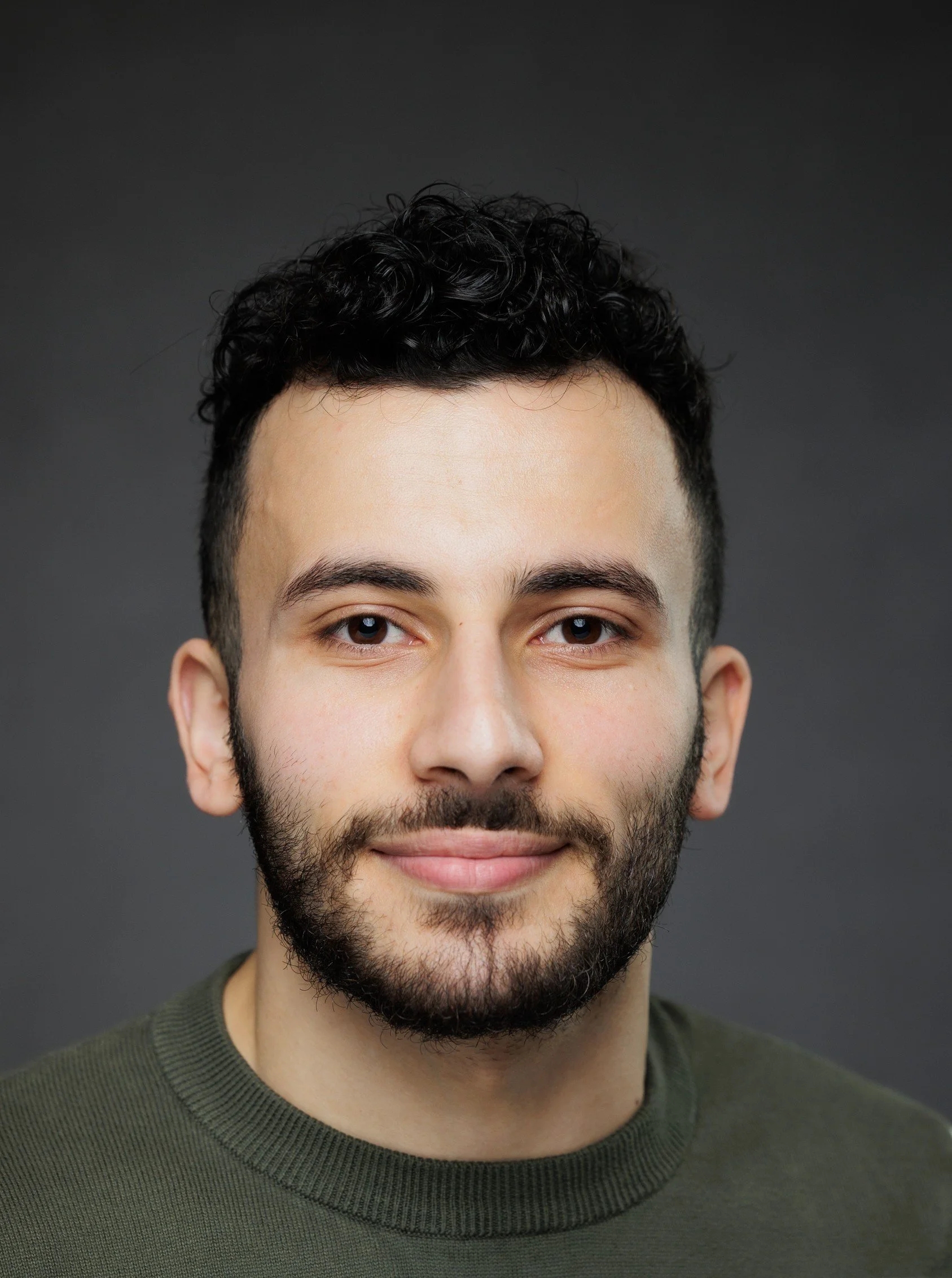
Ahmed AboHamad
(University of Connecticut)
Ahmed AboHamad is a Ph.D. candidate in Philosophy at the University of Connecticut, where he also completed graduate certificates in Human Rights and in Intersectional Indigeneity, Race, Ethnicity, and Politics. His areas of interest include Political Philosophy and History of Philosophy. Ahmed's teaching has focused on Ethics and Non-western and Comparative Philosophy. His dissertation examines the liberatory potential, and the limits, of inward-looking philosophies such as Stoicism and Sufism, with a broader interest in theorizing virtue and flourishing under structural injustice and in understanding how philosophical traditions shape our sensibilities and responses to oppression. Ahmed was born and raised in Egypt.
-
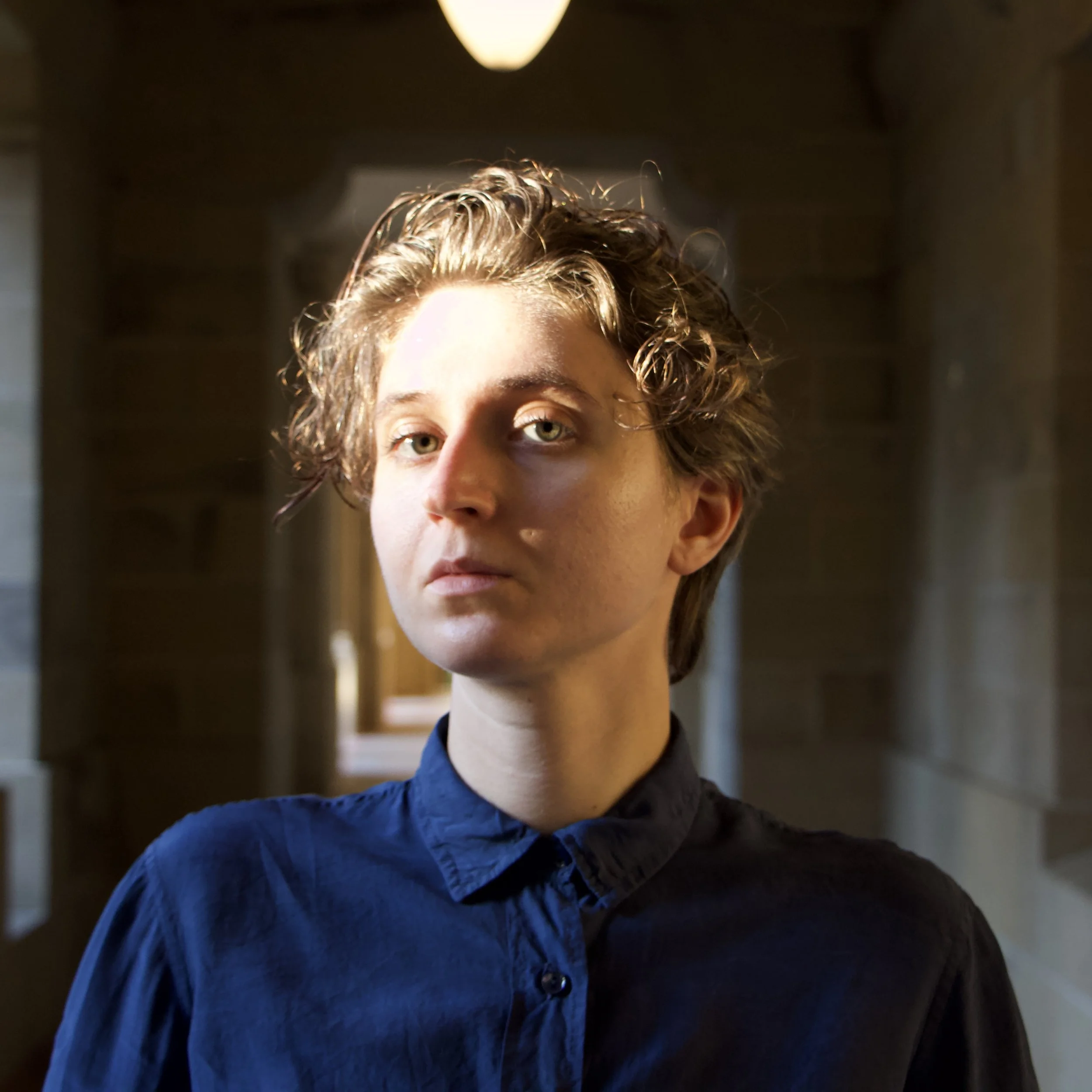
Lis Benossi
(Stanford University)
I am a PhD candidate in Philosophy at Stanford University, specializing in Kant, ethics, and modern philosophy. Currently, I am writing my dissertation on Kant's concept of radical evil. In my dissertation, I probe whether, according to Kant, self-deception is required to succumb to evil. Relatedly, I am interested in voluntarism in early modern philosophy, especially in Émilie Du Châtelet and Anne Conway. I am particularly excited to discuss strategies and ideas to teach underrepresented figures in early modern philosophy!
-
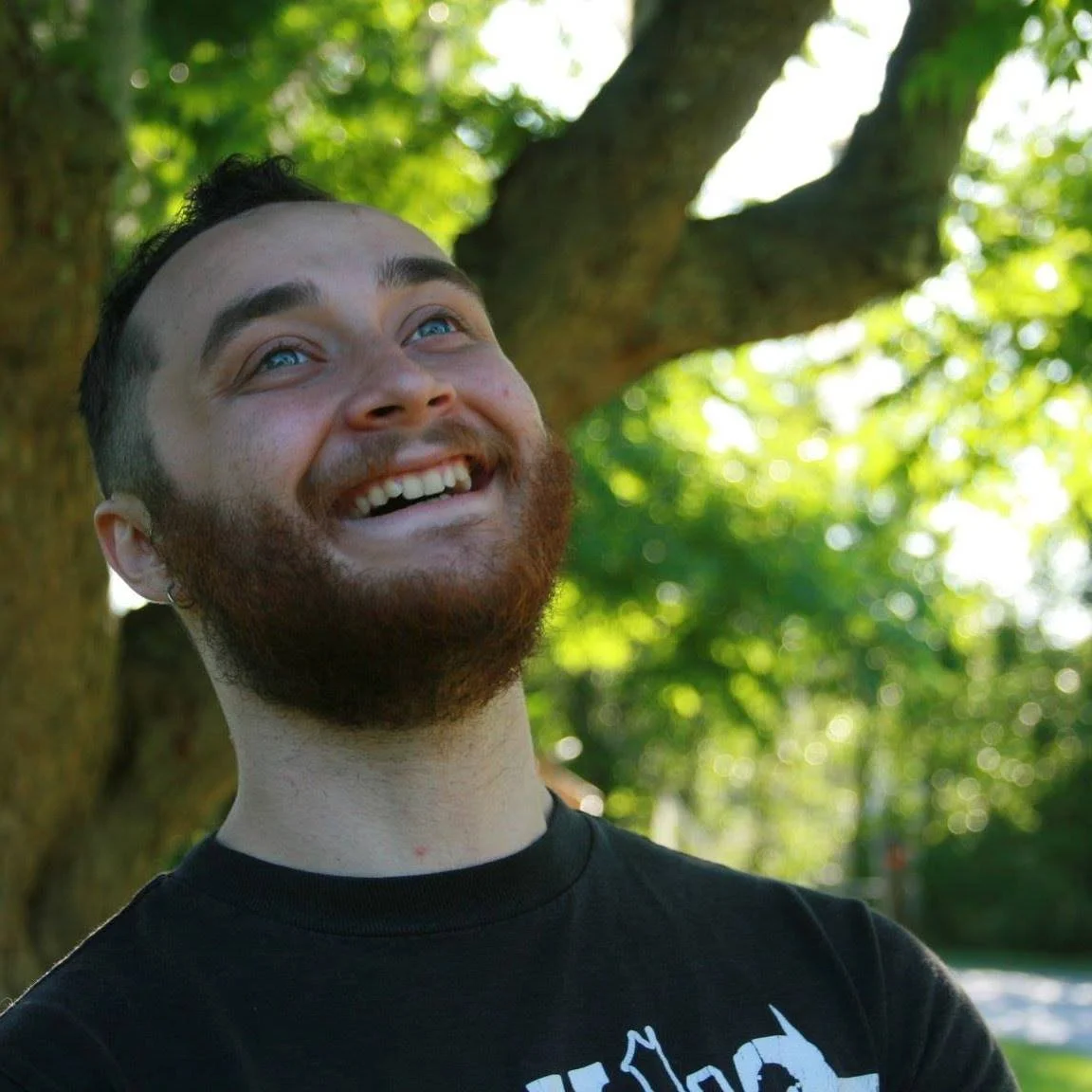
Ruel Mannette
(University of Hawaii)
Ruel Mannette is currently a PhD Candidate at the University of Hawai'i at Manoa. He was born in Minneapolis, Minnesota but grew up in the American South and Midwest. He earned his Bachelors at Stetson University. He completed an MA in Philosophy and MSc in Bioethics at the University of Leuven, in Belgium. Ruel's interests span the intersections of Continental philosophy, Bioethics, Early Modern philosophy, in addition to Chinese and Japanese philosophy.
-

Jan Forsman
(Tampere University)
My work focuses on epistemology and metaphysics in early modern philosophy, particularly in skepticism and theories of free will. My PhD from Tampere University, Finland was on Descartes’s skepticism in the Meditations. For the academic years 2022–2024 I worked at the University of Iowa as a Visiting Postdoctoral Researcher and the PI of the Skeptical Influence of Early Modern Women Philosophers research project, funded by the Finnish Post Doc -pool (funders Finnish Cultural Foundation and Alfred Kordelin Foundation, total funding 95.000€). I have published several high-quality scientific articles on such figures as Descartes, Teresa of Ávila, Margaret Cavendish and Émilie Du Châtelet.
-
Patrick Frierson
(Whitman College)
Patrick Frierson is the Pigott-Allen Professor of Ethics at Whitman College. He has written three books on Kant (and edited one volume of Kant's writings), three books on Maria Montessori (with a fourth in process), and dozens of articles and books chapters on various figures (most notably Kant, Montessori, Adam Smith, Descartes, and a bit of Spinoza). Right now, he's especially interested in Anne Conway, Gabrielle Suchon, and--after falling in love with Sor Juana through including her in his modern European philosophy course--in a ton of Mexican philosophers (Rubio, de las Casas, Sor Juana, Gamarra, Mora, Vigil, Rimbio, Caso, Vasconcelos, Castellanos, etc...), including a bit of Nahuatl philosophy. He's excited to learn more about expanding the canon of early modern philosophy, especially ways to go beyond the amazing start that Lascano and Shapiro have provided in their anthology, though he's a bit sad to be leaving his (mostly self-sufficient) kids and (mostly not-self-sufficient) rabbits and chickens behind in Walla Walla, Washington.
-
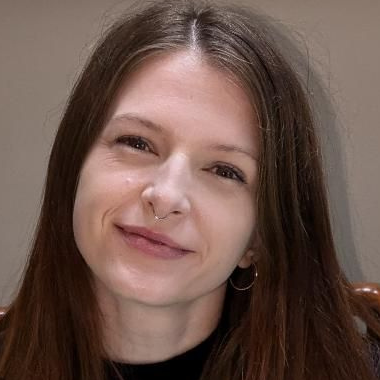
Jade Hadley
(University of British Columbia)
Jade Hadley is a Ph.D. candidate at the University of British Columbia, specializing in metaphysics, early modern philosophy, and the history of analytic philosophy. Her dissertation reconstructs truthmaking considerations from the early modern period (with a particular focus on Émilie Du Châtelet) and utilizes these to provide a historically informed critique of contemporary truthmaker theory.
-
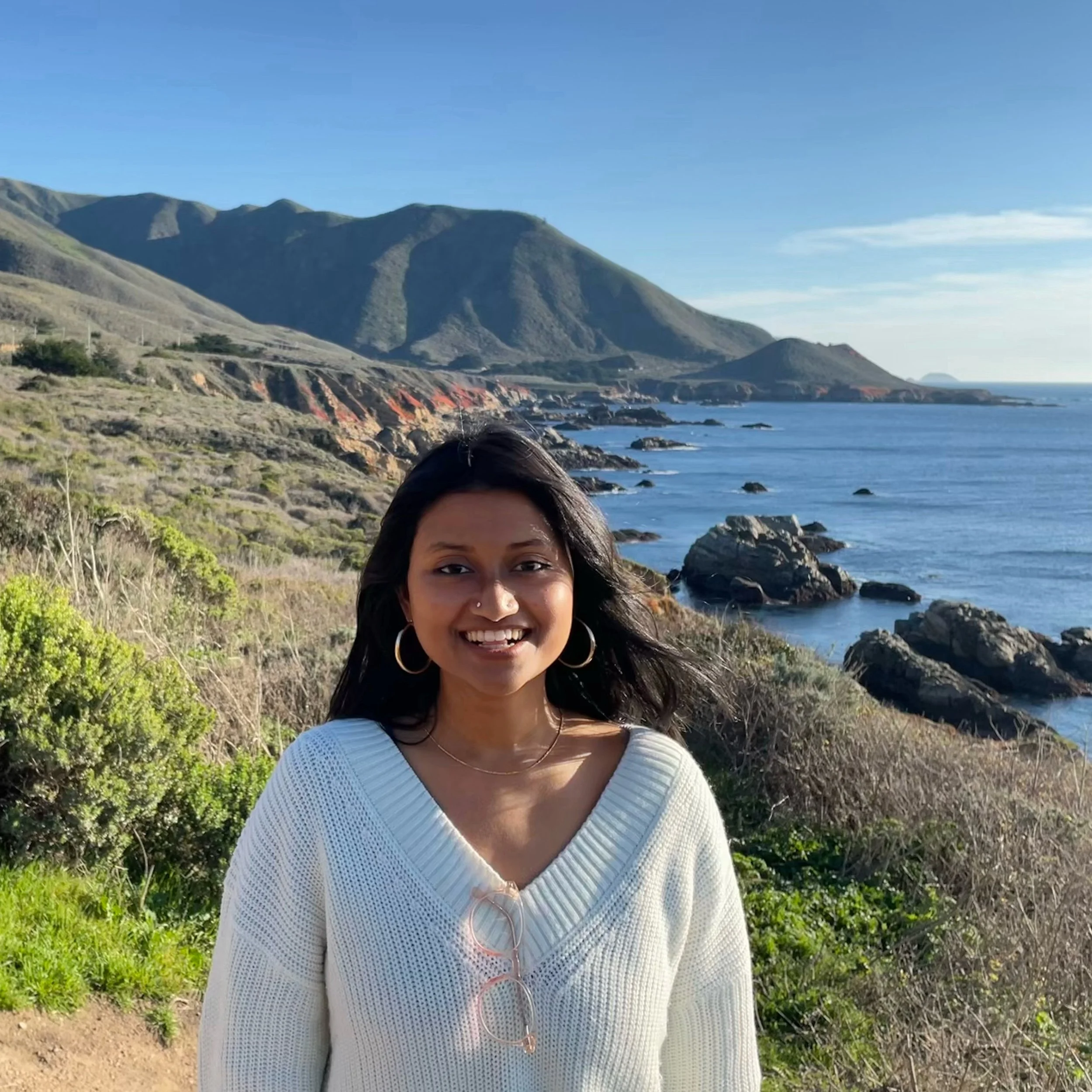
Somreeta Paul
(University of California, Santa Cruz)
Somreeta Paul is a PhD student in Philosophy. Her work bridges philosophy of mind, epistemology, and ethics. In her doctoral dissertation, she focuses on the epistemology of social imagination and its relation to motivated reasoning. Parts of her project draw insights from the Nyāya and Buddhist schools of Indian Philosophy, especially the theory of perceptual illusion and pramāṇa (means of knowledge). She also actively works for the Centre for Public Philosophy at UCSC and Minorities and Philosophy.
-
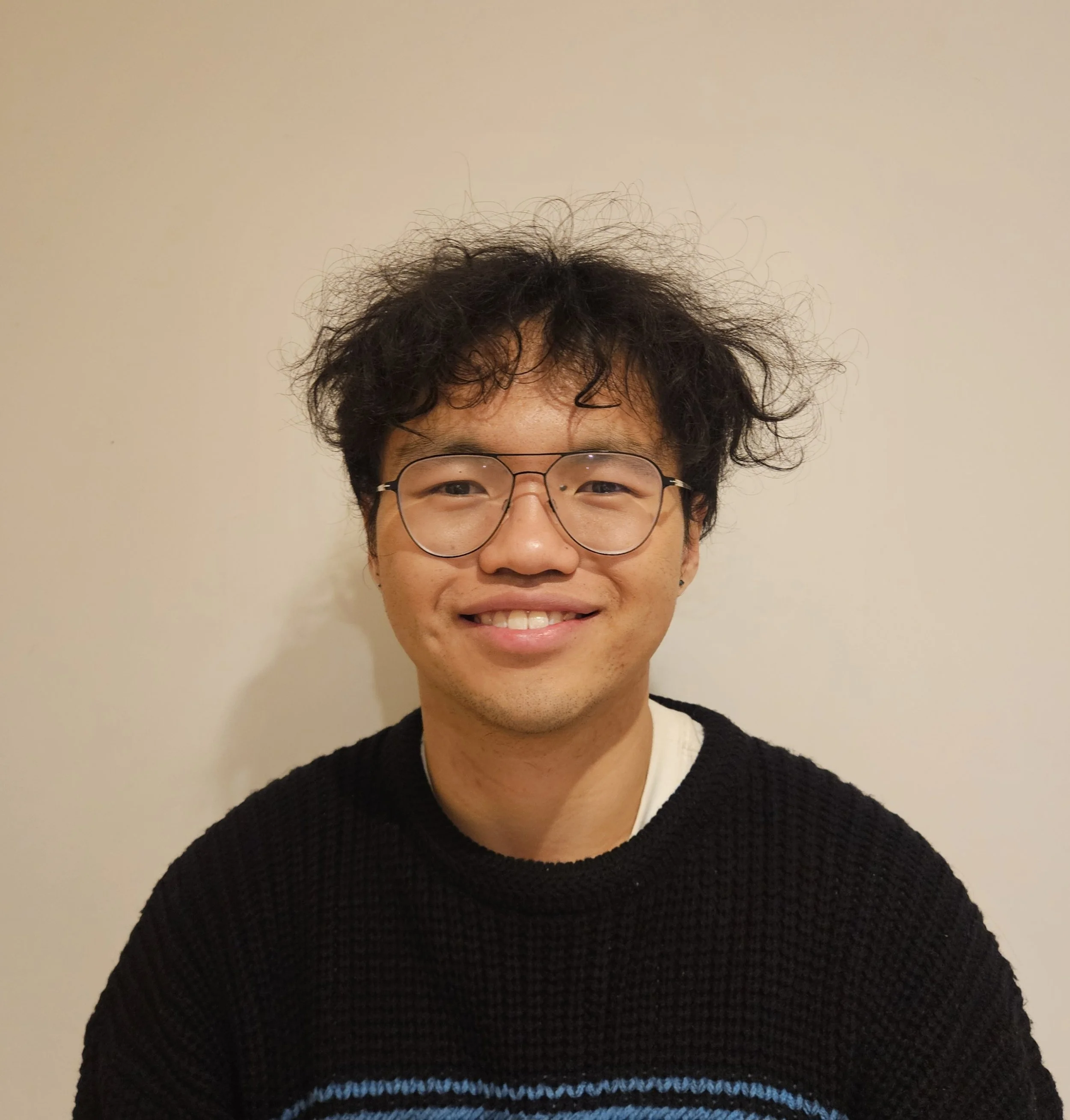
Henry Kwok
(Cornell University)
Henry Kwok is a PhD student in the Sage School of Philosophy in Cornell University. His main research interest is in early modern philosophy particularly Spinoza's philosophy of mind.